- Women and girls bear the brunt of collapsing healthcare and mass displacement
- Medical staff describe an exponential rise in maternal and neo-natal health conditions
- Women with cancer and life-threatening illnesses facing interrupted or inaccessible care
- Repeated closure of Rafah crossing further reducing already limited aid deliveries and medical evacuations
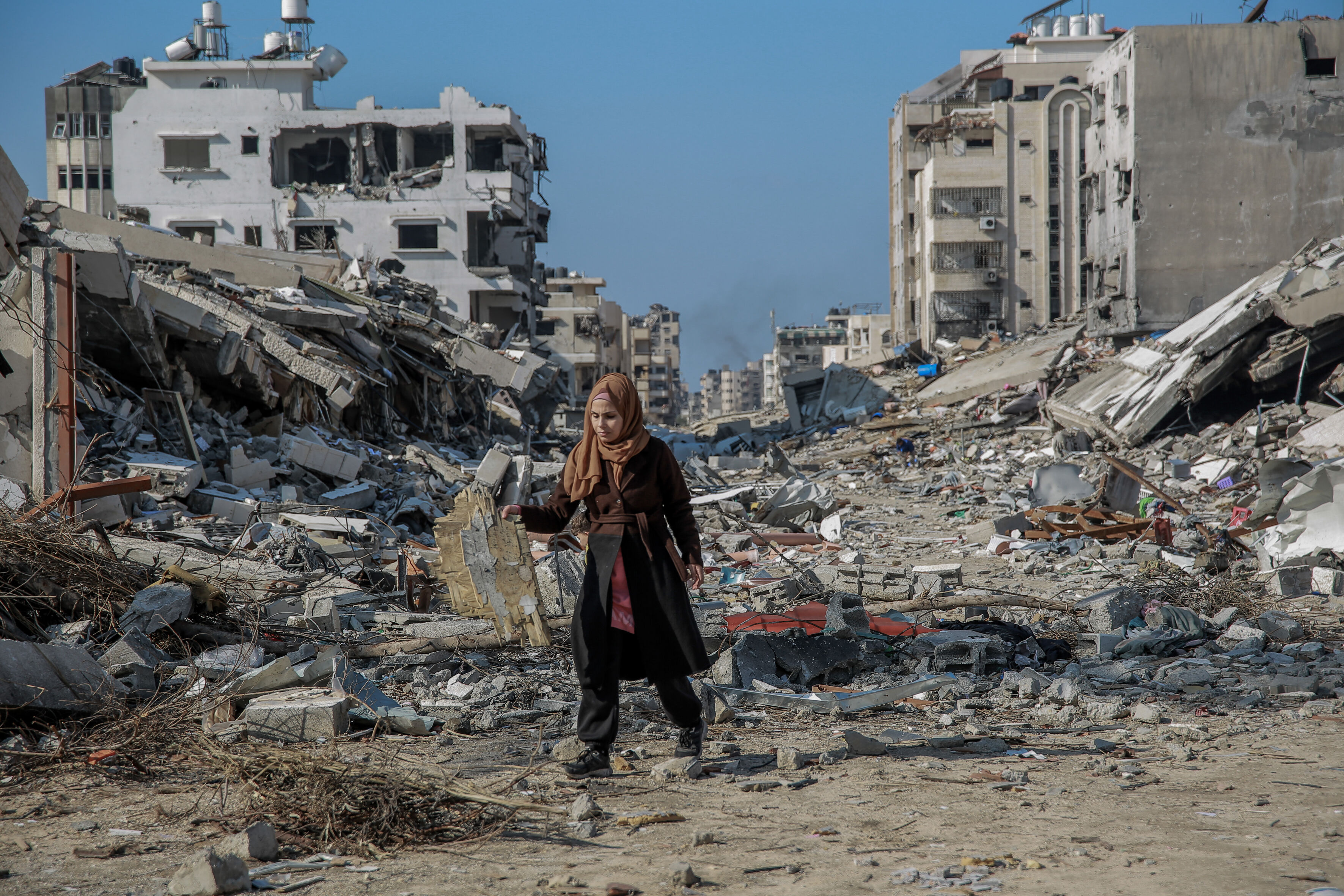
Over the past 29 months the devastating, multilayered impact of Israel’s ongoing genocide has pushed Palestinian women and girls in the occupied Gaza Strip to the brink, said Amnesty International today.
Amid Israel’s deliberate imposition of conditions of life calculated to bring about the physical destruction of Palestinians in Gaza, Palestinian women face compounded and life-threatening consequences that have materialized through ongoing mass displacement, the collapse of reproductive, maternal and newborn healthcare; interruption of treatment for chronic illness, including cancer; heightened exposure to disease and unsafe and undignified living conditions; as well as profound physical and mental harm.
These harms are exacerbated by Israel’s ongoing restrictions on the entry into Gaza of items indispensable to the survival of the civilian population including adequate food, medicines, medical equipment and assistive devices, shelter material and equipment necessary for the purification of water and removal of rubble, unexploded ordnance and waste. Israel continues to impose these restrictions amid life-threatening delays on medical evacuations and the suspension of registration of international humanitarian organizations that provide essential services for women and girls.
Women have been forced to give birth without adequate medical care, to endure pregnancy and post-partum recovery while displaced in overcrowded and unsanitary sites, and to navigate hunger, disease, and trauma with little privacy, protection, or access to essential services often while caring for others.
“As tensions across the Middle East escalate sharply following Israeli-US attacks on Iran, we must not forget Israel’s ongoing genocide against Palestinians in Gaza and the brutal price women and girls have been paying. For pregnant women and those breastfeeding, for mothers of babies and young children, for women living with chronic illnesses and disabilities or recovering from life-changing injuries, for the widowed and the many women who have lost loved ones, for women who have been displaced multiple times, for women on their periods, for women who lost their jobs and access to education life has become a daily struggle to survive amid a relentless cascade of catastrophes,” said Agnès Callamard, Amnesty International’s Secretary General.
“Women in Gaza are being denied the conditions needed to live and to give life safely. This systematic erosion of their rights to health, safety, dignity and a future is not an unfortunate by-product of war; it is a deliberate act of war targeting women and girls. It is also the foreseeable consequence of Israel’s calculated policies and practices of multiple mass displacement, deliberate restrictions on basic and essential items, as well as humanitarian relief, and two years of relentless bombardment that have devastated Gaza’s health system and decimated entire families.”
In its March 2025 report, the Independent Commission of Inquiry on the Occupied Palestinian Territory, including East Jerusalem, and Israel concluded that Israeli authorities systematically and deliberately destroyed the sexual and reproductive healthcare system in Gaza, amounting to two acts prohibited under the genocide Convention: deliberately inflicting conditions of life calculated to bring about the physical destruction of Palestinians and imposing measures intended to prevent births.
Between 5 and 24 February 2026, Amnesty International interviewed 41 women- all internally displaced- including, eight cancer patients, four pregnant women, and 14 women who gave birth after the so-called “ceasefire”. The organization also interviewed 26 healthcare workers across six healthcare facilities in Gaza City and Deir al-Balah, as well as four staff of international organizations.
The catastrophe in the Gaza Strip is multilayered and compounded by devastation upon devastation: ongoing displacement with ongoing air strikes, a devastated and under-resourced health system, and the complete collapse of the economy. The Ministry of Health in Gaza recorded the killings of 630 Palestinians, including 202 children, 89 women and 339 men between the signing of the so-called ceasefire in October 2025 until the end of February, adding to the over 72,000 killed since 7 October 2023. While the immediate threat of famine has eased, hunger remains acute and malnutrition persists, with disastrous long-term negative consequences. With the mass destruction or severe damage to homes in Gaza and with nearly 60% of the total area of the Strip located east of the so-called “yellow line”, which is physically controlled by Israeli authorities and Israel-backed local militias, most Palestinians in Gaza continue to be displaced and have lost access to the agricultural food-producing areas of Gaza.
On 27 February an Israeli Supreme Court temporarily froze the implementation of a government decision to suspend the operations of 37 de-registered international aid organizations operating in the OPT. However, restrictions and uncertainty over aid access persist with devastating effects on Palestinians especially Palestinian women in Gaza.
On 28 February Israel closed all three operational crossings into the Gaza Strip after launching a joint attack on Iran with the United States. The closure halted the already limited flow of humanitarian aid and commercial supplies as well as medical evacuations out of the Gaza Strip. On 3 March, Israel reopened the Kerem Shalom/Karm Abu Salem crossing for the “gradual entry of humanitarian aid.” The Rafah crossing with Egypt, which was only partially reopened in early February, remains closed. This whilst Israeli military operations such as shelling, militarized demolitions and airstrikes across the Gaza Strip have continued since the ceasefire agreement, inflicting further human suffering and damage to civilian infrastructure.
Collapse of maternal and neonatal health services
Throughout the genocide women’s access to sexual and reproductive healthcare has been severely compromised due to Israel’s bombardment, displacement, destruction of reproductive and maternal healthcare services and restrictions on the entry of vital aid and hygiene kits, amidst the decimation of Gaza’s water and sanitation system.
According to the WHO and health cluster, almost 60% of all health service points are non-functional, placing immense pressure on the few that remain operational and the fewer that provide emergency obstetric care.
Even after the “ceasefire” and improved aid flows, around 46% of essential medicines remain at zero stock, including drugs for inducing/managing contractions, labour and postpartum haemorrhage, anaesthesia and pain management, infections and respiratory conditions, according to the latest MoH reporting. Since the “ceasefire,” UNFPA and partners have delivered significant quantities of maternal and reproductive health medicines and supplies. However, the needs remain significant and are only partially addressed. According to the most recent projections by The Integrated Food Security Phase Classification (IPC), 37,000 pregnant and breastfeeding women will also face acute malnutrition and require treatment before mid-October 2026.
Medical personnel interviewed by Amnesty International said that even since the “ceasefire”, women who gave birth endured extreme shortages of food, medicines and nutritional supplements during much of their pregnancy and post-partum. They said that most women who come to deliver in hospitals suffer from anaemia because of malnutrition, and from waterborne diseases, vaginitis and other infections because of polluted water and unsanitary conditions. They are often unable to carry out the necessary screening for the women because of the lack of equipment and sometimes they’ve had to resort to using expired anaesthesia.
According to medical staff interviewed, Israel’s ongoing genocide has caused an exponential increase in maternal and neonatal health conditions over the past 29 months. These conditions include pre-term births, low-weight babies, weight loss and malnutrition of pregnant and lactating women, pre-partum anxiety and post-partum depression, respiratory conditions during pregnancy due to exposure to cold and increased pollution, respiratory conditions for newborn babies due to, among other causes, preterm birth, insufficient lung development, mothers’ conditions during pregnancy and poor conditions after birth, especially during the cold weather.
In the Al-Helou obstetric department, neonatologist Dr. Nasser Bulbol said the number of high-risk pregnancies they receive has significantly increased as mothers’ immune systems have been compromised because of malnutrition: “Displacement conditions have led to infectious diseases, and most women come here under stress, trauma and uncertainty, having suffered multiple displacements, lost loved ones, unable to obtain the nutritious food they require.”
The hospital contains 12 incubators, including six for neonatal intensive care, but none of the incubators is equipped with the necessary cardiorespiratory monitors.
Neonatal care units across Gaza face similar challenges. For example, the head nurse at the NICU at Shuhada Al-Aqsa hospital in Deir al-Balah, which has 24 functioning incubators, told Amnesty that they have had to reuse single-use medical supplies, including corrugated tubes for use with mechanical ventilators.
According to UNFPA, neonatal units across the Gaza Strip are operating at 150–170% capacity, with up to three newborns sharing an incubator.
The obstruction and possible suspension of international aid organizations will have a devastating effect on reproductive and neonatal health care. Doctors without Borders or Medecins Sans Frontieres, one of the affected humanitarian organizations, for example, has provided crucial antenatal and post-partum outpatient services and support to hospital maternity and neonatal services for tens of thousands of women and infants since the genocide began, nutritional support to many women with malnutrition, as well as treatment and support for victims of gender-based violence. Medical Aid for Palestinians operate neonatal care, neonatal intensive care, reproductive and obstetric treatment and follow-up at two hospitals in Gaza City – Al-Sahaba and the Patient Friends Benevolent Society – and at Nasser hospital in Khan Younis. It also provides counselling and support for victims of gender-based violence. The crucial services provided by aid organizations will not be easily absorbed by an already broken health system, and tens of thousands of women are likely to suffer and as a result the continuity and quality of care they receive will further decline.
Dreams of safe and dignified motherhood crushed
Amnesty International spoke to pregnant and breastfeeding women living in displacement sites in Gaza City, Al-Mawasi, Deir al-Balah city, and Nuseirat camp. While access to food, personal hygiene and cleaning products –including menstrual pads, shampoo and soap– has improved to some extent since January 2026, some women struggle to afford these products. They also have very limited access to clean drinking water or household water.
Most of the new mothers interviewed told Amnesty International they had been urgently seeking but struggling to obtain nutritional supplements during pregnancy. Many had suffered significant weight-loss, with some having been diagnosed with malnutrition and/or anaemia.
Hind*, 22, from Jabalia refugee camp that is now almost entirely destroyed and currently displaced in Al-Mawasi, gave birth to a baby boy on 19 January 2026. She told the organization: “I lost a lot of weight; I weighed only 43 Kg and at the field hospital where I gave birth they told me that I am suffering from malnutrition. My baby was born with lung infection in both lungs; he spent several days in the intensive care unit and now is a bit better but still cannot breathe properly on his own and is in an incubator. I am afraid he will get sicker because I live in a tent by the sea and it has been very cold and there is no way to keep warm. I also have another baby aged 18 months and he too has been sick from the cold.”
Mariam*, also 22 and displaced in Deir al-Balah, an underweight new mother diagnosed with malnutrition and anaemia, gave birth to her first son prematurely in December 2025. She does not produce enough milk to breastfeed and is now struggling to afford baby formula and keep her baby warm living in a tent without heating.
All the pregnant women interviewed by Amnesty International said they had only received sporadic antenatal care, and many had been unable to adequately shelter themselves and their newborn babies from the exceptionally harsh cold weather and rainstorms during recent winter months. Most women also said that during pregnancy they had been exposed to high level of pollution and especially highly polluting smoke from burning plastic and other materials because they did not have other fuel for cooking or to heat water for washing. In the later stages of their pregnancy and after they gave birth, they found it difficult to cope with the overcrowded, unsanitary makeshift toilets in IDP camps where they are sheltering.
A 24-year-old trained nurse who is eight months pregnant told Amnesty International how despite being anaemic, she hasn’t been able to obtain the iron infusion she needs, or access iron-rich food or other vitamins during her pregnancy. She said her infant son died in mid-2024 from an infection after not receiving adequate medical treatment, and that her husband was killed in an attack near their home just before she found out about her current pregnancy. She described the misery of living in a tent while pregnant, being constantly unwell from the cold, and struggling to access the toilets. She is worried about how she will keep the baby safe from viruses in her tent full of sand and bugs, or afford nappies, baby clothes and sanitary pads for herself post-partum.
Maysoun Abu Bureik, a senior midwife at Al-Awda hospital, also described the emotional toll on new mothers:
“The worst thing is when you have to help a mother who has lost her husband or family. There is nothing you can say or do to support her. She has to run her household, she has to be the emotional support for her baby when she herself is in desperate need of emotional support, and mostly without a proper home to go back to.”
Interrupted cancer treatment and medical evacuations
Israeli authorities continue to control and severely obstruct the process of medical evacuations even as more than 18,500 Palestinians in Gaza require urgent treatment that is not available there, largely due to Israel’s destruction of the healthcare system. Medical evacuations to the West Bank including East Jerusalem have been almost entirely prohibited since 7 October 2023.
Since the partial reopening of the Rafah crossing on 2 February 2026, the UN and partners supported the medical evacuation of 289 Palestinians – along with their families – through the Rafah and Kerem Shalom crossings. While a tangle of bureaucratic and procedural factors can lead to slowing down the medical evacuation process, a major reason for the obstruction remains the severe restrictions and delays imposed by Israeli authorities, including the arbitrary, vague and lengthy approval process, which resulted in preventable deaths and caused enormous suffering. This process has stopped altogether since the beginning of the joint US-Israeli offensive on Iran.
Among those worst affected by the obstruction of medical evacuations are female cancer patients. All eight women cancer patients interviewed by Amnesty International said that their treatment had been affected by shortages of medical supplies including chemotherapy drugs. During periods of heavy bombardment hospitals also had to prioritize urgent trauma injuries.
A nurse told Amnesty International, “There is no hospital in Gaza that currently offers radiation therapy. We also suffer from severe shortages of diagnosis equipment. There is not one functioning MRI machine in all of Gaza. Lack of prior diagnosis also means that we have to keep guessing, which risks the lives of the patients and reduces the efficiency of our treatment.”
In its overview of the humanitarian response, the UN Office for the Coordination of Humanitarian Affairs (OCHA) confirmed that some laboratory equipment and items necessary for diagnosis and imaging have been deemed “dual-use” by Israeli authorities and barred.
A humanitarian aid worker from one of the 37 de-registered organizations told Amnesty International in late February 2026 that they had already had to turn away more than 1,000 patients for non-communicable diseases, such as cancer, as they had not been allowed to bring medical supplies into Gaza since the start of the year.
Iman*, a woman receiving cancer treatment at Al-Helou hospital in Gaza City, said her chemotherapy sessions had twice been delayed because the necessary drugs were not available: “When I’m lucky to undergo chemotherapy, I sleep here for one or two days to recover, but then I have to return to my tent, where I have to drink water that is unclean, to shower using water that is unclean, but worst of all, I cannot sleep or rest. I was diagnosed with breast cancer last year, and since then I have been displaced on four separate occasions. I could barely move but I also had to carry my children. The combination of displacement and illness kills you. My name is on the list of medical evacuees, so I’m just waiting.”
Nisrine, a 49-year-old mother of seven who was diagnosed with frontal lobe tumor, described to Amnesty International how on top of her cancer diagnosis her mother and bothers were killed in an Israeli airstrike and her home in Shuja’iya was destroyed: “I sank into a severe depression. Constant displacement seeps life out of you; it drains you. The hardest thing is having to start from scratch all over again every single time. For us it’s even worse because we are already physically drained.”
Hani Ayyash, former director of the outpatient Clinics of the Turkish-Palestinian Friendship Hospital in Gaza City, the only specialized cancer treatment facility in the whole Gaza Strip, was forced to leave his hospital in October 2023 following heavy bombardment. The Israeli military later used this hospital as a military base and blew up some of its facilities in March 2025.
“Losing the Friendship hospital hit us really hard, because it was by far the most advanced centre for cancer treatment in Gaza. We also could not recover any of the equipment from the hospital,” Hani Ayyash said.
Israeli authorities must remove their unlawful and arbitrary restrictions on humanitarian assistance, including medicine and medical equipment, essential goods and services and their obstruction of medical evacuations. They must ensure an effective and reliable evacuation route into the other parts of the Occupied Palestinian Territory (OPT), including East Jerusalem, and into Israel. The Israeli government also must remove restrictions on medical evacuations outside the OPT, when necessary, and guarantee the ability of evacuees to return after completing their treatment if they wish. They must also allow the immediate entry of diagnostic imaging and laboratory supplies and equipment, especially those necessary for the early diagnosis of cancer and other diseases.
“Women in Gaza are holding families and communities together under conditions designed to break them. They are the teachers providing schooling to children in tents, the doctors and nurses working in field hospitals often without pay, and the caregivers fighting tirelessly to keep hope alive amidst genocide. Their courage commands immense respect and stands as an inspiration to all of humanity,” said Agnès Callamard.
“This human-made catastrophe, which we have all witnessed on our screens, has caused immense suffering. Our action and support are past due! We must stand firmly with Palestinian women and girls in Gaza and call once again on states to take meaningful action to end Israel’s genocide and unlawful occupation, including by ensuring women and girls can access their fundamental rights, and securing a future where all Palestinians can live in dignity.”
States must adopt practical measures to exert diplomatic and economic pressure on Israel to end its ongoing attacks, fully lift its unlawful blockade and allow humanitarian organizations to operate freely and safely. They must ensure access to essential maternal and reproductive healthcare and increase support and funding for services that protect women’s economic and social rights and for Gaza’s women-led organizations.
*Some of the women have been referred to by pseudonyms upon their request*